Why Narrative Therapy?
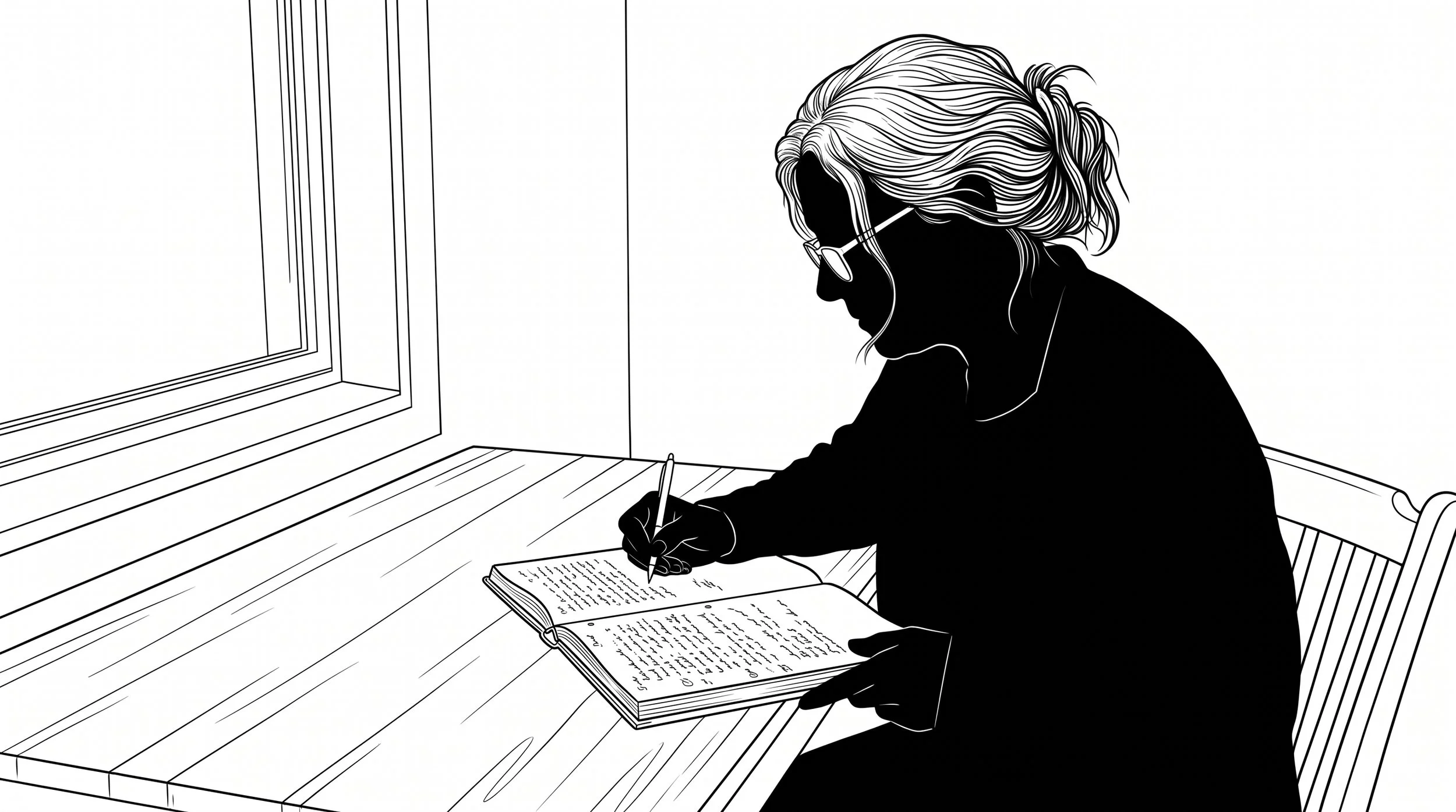
Every day, we make sense of our lives by stringing events together across time to build stories about who we are. But when life gets heavy, it is easy for a single problem to take over the narrative and push out everything else. You might start believing that you are "broken," "disordered," or "failing" simply because cultural expectations, medical forms, or hard circumstances handed you a quick label.
Narrative therapy offers a gentler, warmer, and truly collaborative way forward. It starts with a simple foundation: you are the expert on your own life. You are not the problem—the problem is the problem, and sometimes it’s our relationship to problems that gets in the way of the life we’d prefer.
Separating From the Problem:
When you face ongoing stress, anxiety, or relationship friction, society often tells you that something inside you is faulty or needs to be fixed. Narrative therapy turns that idea upside down by stepping back and looking at the problem as something outside of you.
The problem is something separate from your identity:
The pain, guilt, or fear you experience is something you are interacting with, not who you are as a person.Context is key:
Human struggles do not happen in a vacuum. Much of our distress comes from trying to navigate unfair social pressures, mis-aligned expectations that flatten our sacred differences, social stigmas, or the general friction of attempting to fit complex and varied lives into traditional boxes.Reclaiming your space: By separating your core self from the issue, we create room for you to breathe, gain perspective, and decide how you want to respond to what you are up against.
A Shared Journey Guided by Curiosity:
In our sessions, I do not sit across from you as an all-knowing clinical evaluator giving top-down advice. Instead, we explore your life story together, like two people walking down a road with many possible intersections.
We use genuine and radical curiosity to explore where you want to go and what paths you want to leave behind. Because you are in the driver's seat, we will regularly pause to check in with open questions, like:
"How is this conversation going for you?"
"Should we keep talking about this, or would you be more interested in focusing on something else?"
"Is this direction feeling helpful to what you hold dear?"
I believe therapy should be a space where you feel genuinely seen, heard, and respected rather than judged against a standard clinical checklist. You already carry valuable knowledges and capabilities within you; my role is simply to help ask useful questions that bring them back into the light.
If you are ready to move past single-storied labels and explore new possibilities for your life and relationships, let's connect and start the conversation.
Moving From Quick Labels to Fuller Truths:
When a struggle dominates your life, it acts like a strict editor on your story. It highlights every mistake or hard day while ignoring the hundreds of moments where you showed up with care, creativity, or courage. Narrative therapists call these narrow labels "thin descriptions".
Thin descriptions—like being labeled "attention-seeking," "anxious," or "non-compliant"—flatten your rich, complex human experience into a single line on an intake form, and psychological assessments fail to capture the truth of a human life.
Thin descriptions hide our preferred ways of approaching our lives, capabilities we may have forgotten we posses, and our sense of agency in addressing the ways we suffer.
Narrative therapy works to uncover these, more "rich descriptions." Together, we can slow down and look for the hidden pieces of your history: your personal values, your unique ways of resisting pressure, and the quiet strengths you already possess. We work side by side to weave a fuller, truer story of your life that honors your preferred way of being.